

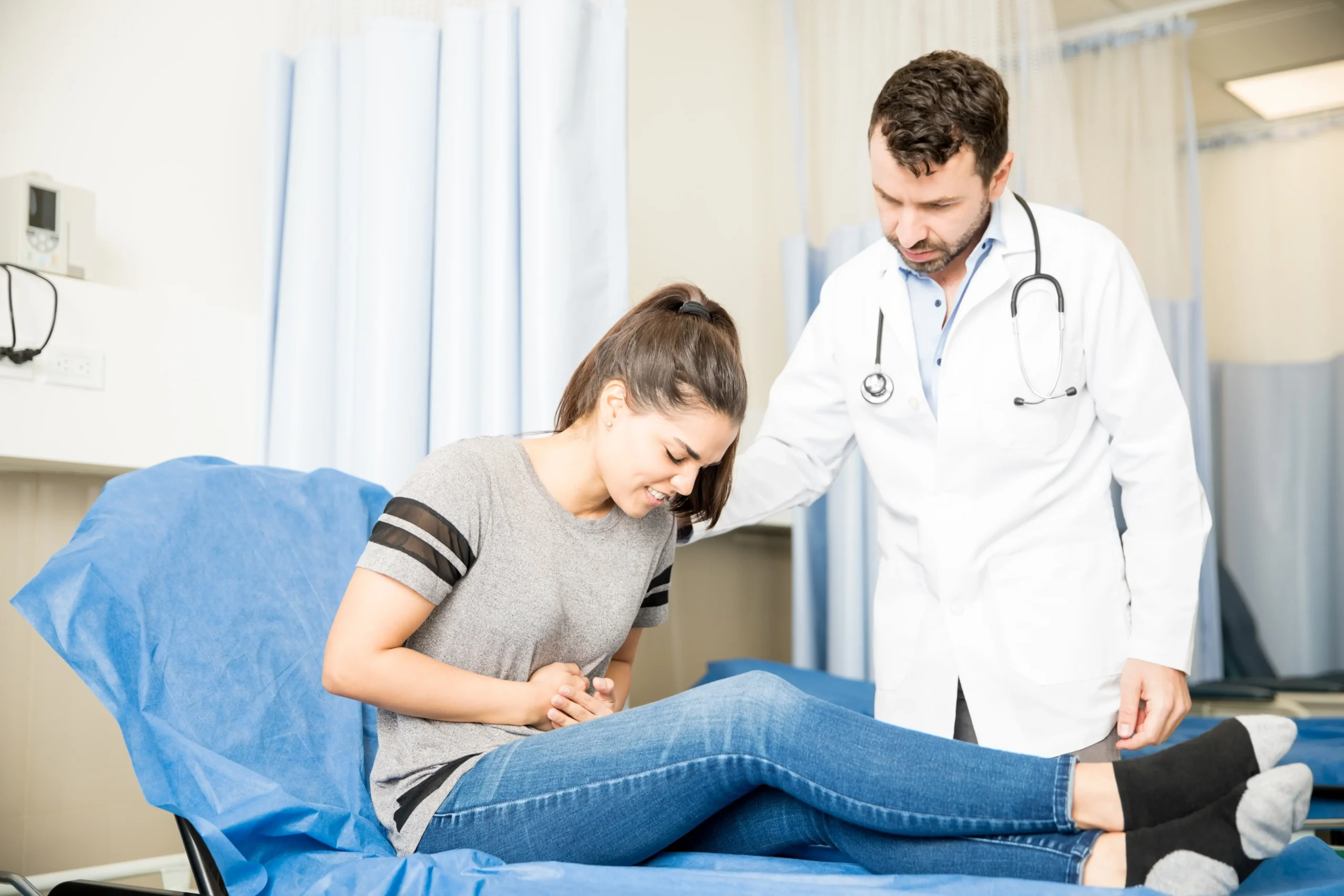
Understanding and Treating Piles: Insights from a World-Class Healthcare Leader
Piles, or hemorrhoids, are a common yet misunderstood condition. Let’s dispel myths and offer real solutions.
Myths and Facts
Many believe piles only happen to the elderly, but they can affect anyone. Embarrassment often delays treatment.
Causes, Symptoms, and When to Seek Care
Causes:
- Straining during bowel movements
- Low-fiber diet
- Prolonged sitting
Symptoms:
- Anal pain or discomfort
- Swelling or lumps near the anus
- Bleeding during bowel movements
When to see a doctor
If symptoms persist or bleeding occurs, seek medical attention.
Non-Surgical vs. Surgical Treatments
- Non-surgical: Dietary changes, topical creams, rubber band ligation
- Surgical: Hemorrhoidectomy, stapling for severe cases
Lifestyle Changes for Prevention
- Lifestyle Changes for Prevention
- Stay hydrated
- Exercise regularly
- Avoid prolonged sitting
Expert Tips for Relief
- Expert Tips for Relief
- Avoid straining
- Practice good hygiene
“After years of discomfort, a combination of dietary changes and expert care gave me relief and restored my confidence.”
Patient Testimonials
Frequently Asked Questions (FAQs)
Q: Are piles dangerous?
A: Most are not, but chronic symptoms require evaluation.
Q: Can piles return?
A: Yes, but prevention and lifestyle changes reduce the risk.
Conclusion
Awareness, compassion, and evidence-based care can help those with piles live healthier, happier lives.